

Introduction
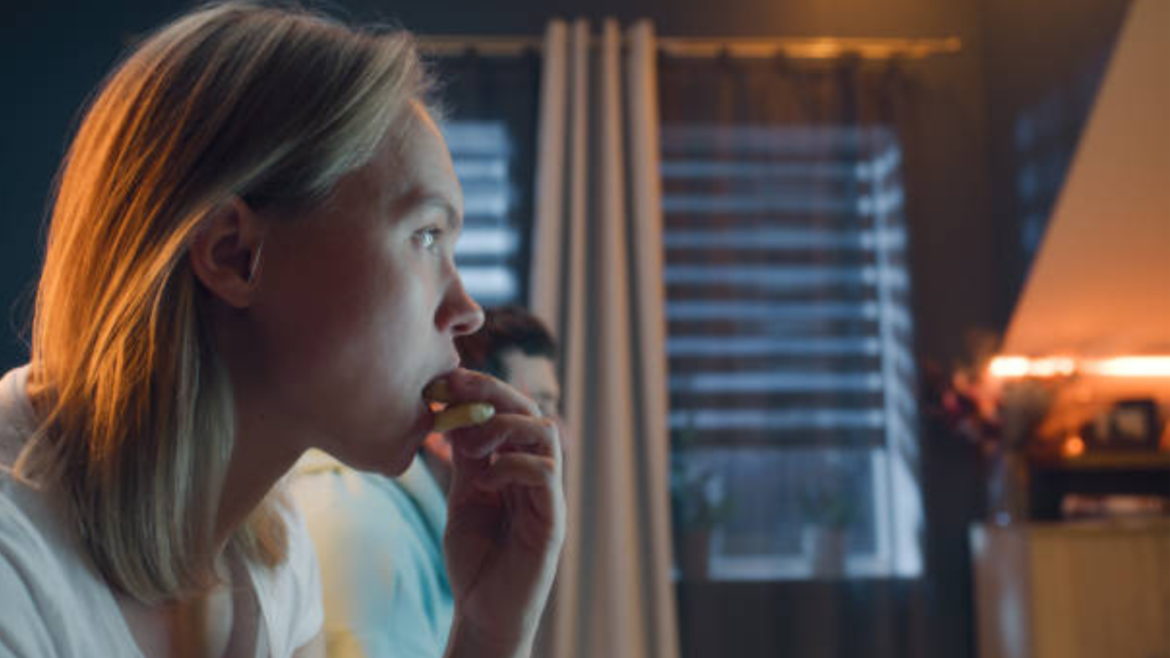
If your evenings look like this…
You do “pretty good” during the day,
but once the day winds down, you find yourself reaching for something sweet—
you’re not alone.
And more importantly… this isn’t just about willpower.
This is something I see all the time with my clients—and once you understand why it’s happening, it becomes much easier to fix.
Why Sugar Cravings Hit at Night
There are a few key reasons this keeps happening—and for most women, it’s not just one thing.
It’s usually a combination of how you’re eating during the day, your energy levels, and your stress.
You Didn’t Eat Enough During the Day
This is the most common one I see. If your meals are too light or low in protein, your body will try to make up for it later.
That usually shows up as:
- Sugar cravings
- Snacking
- Feeling like you can’t stop once you start
A lot of women don’t realize they’re under-eating earlier in the day—and their body is simply trying to catch up.
Your Blood Sugar Is Unstable
Meals that are mostly carbs (without protein or fat) can lead to:
- Energy crashes
- Increased hunger later
- Strong cravings at night
You might feel fine right after eating—but a few hours later, your body is looking for quick energy again.
That’s where the cravings tend to hit the hardest.
You’re Mentally and Physically Exhausted
At the end of the day, your brain wants relief. After a long day of work, responsibilities, and decision-making, your body is tired—and sugar provides a quick sense of:
- Comfort
- Energy
- A mental “break”
This is why cravings often feel stronger at night than at any other time of day.
Stress and Cortisol
Higher stress = higher cravings.
When your body is under stress, cortisol increases—and your body starts asking for quick, easily accessible energy.
That usually means sugar or processed carbs.
This is also why cravings can feel more intense during stressful periods, even if your eating hasn’t changed much. This is also connected to how stress affects your body. It increases cortisol which leads to fatigue, unwanted weight gain and cravings.
Why This Has Nothing to Do With “Lack of Discipline”
This is where most women get it wrong. You’re not failing. Your body is responding to how it’s being fueled (or under-fueled).
When your meals aren’t balanced or you’re not eating enough during the day, your body will push back—and cravings are one of the ways it does that.
Once you fix the structure, the cravings start to decrease.
How to Reduce Nighttime Cravings
The goal isn’t to “cut out sugar” or rely on willpower. The goal is to set your body up during the day so you’re not fighting cravings at night.
Your body craves balance.
Eat Enough Protein at Your Meals
This is non-negotiable.
Aim for:
- 25–35g protein per meal
Protein helps:
- Keep you full
- Stabilize blood sugar
- Reduce the urge to snack later
When this is in place, cravings tend to drop significantly.
Don’t Skip Meals
Even if you’re busy.
Going too long without eating increases the likelihood of overeating later—especially at night.
Even a simple structure like:
- Breakfast
- Lunch
- Dinner
- Optional snack
can make a noticeable difference.
Build Balanced Meals
Each meal should include:
- Protein
- Fiber
- Healthy fats
This combination slows digestion and keeps your energy more stable throughout the day.
And when your energy is stable, cravings are much easier to manage.
Plan for a Structured Evening Snack (if needed)
This is where a lot of people push back—but it works.
Instead of grazing or feeling out of control, having a planned option can actually help you feel more in control.
Examples:
- Greek yogurt + berries
- Apple + peanut butter
- Cottage cheese + fruit
The goal isn’t to avoid eating—it’s to eat in a way that feels intentional.
Improve Your Daytime Intake First
This is the biggest shift. Don’t try to “fix” nighttime eating in isolation.
If your daytime meals aren’t working, nighttime cravings will keep showing up.
Fix the day → the night improves. Knowing how to structure your day is simpler than you think; try my workbook Emotional Eating Reset for a structured 2 week program.
Final Thoughts
Nighttime cravings aren’t random. They’re a signal. And once you start fueling your body the right way, those cravings become much easier to manage.
It’s not about being perfect—it’s about creating a structure that works consistently.
If you’re tired of feeling out of control at night and want a plan that actually works—